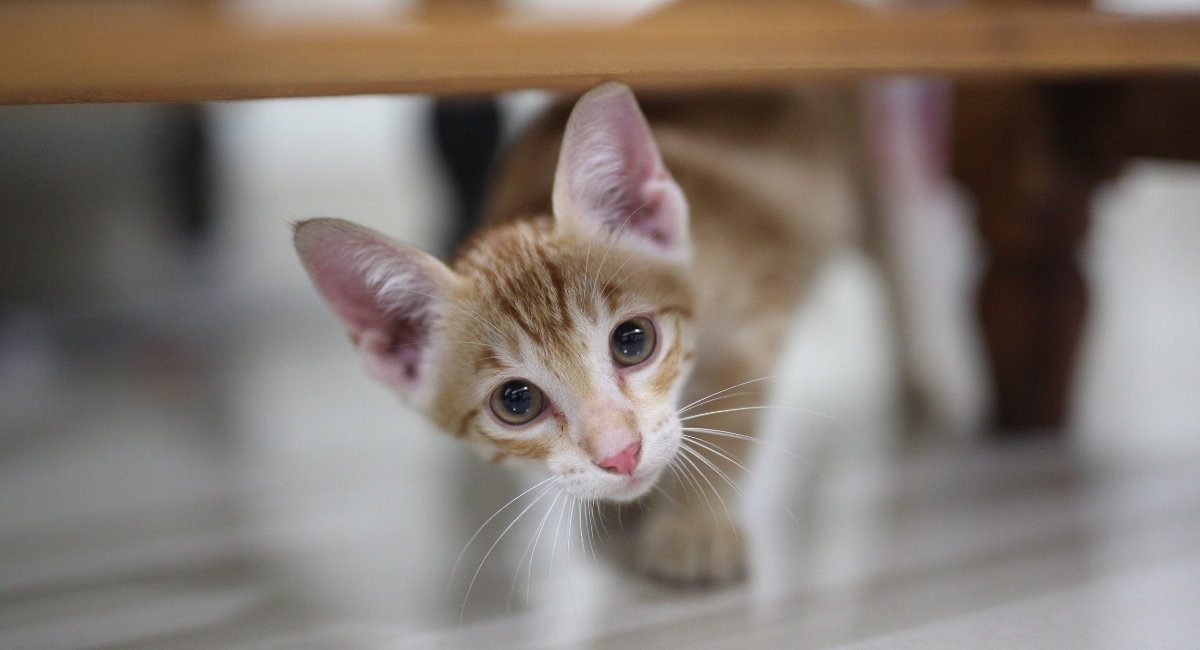
Kitten Not Pooping — When To Worry

If A Kitten Has Not Pooped, Don’t Panic — But Do Pay Attention

It is common for new caregivers to worry if a kitten has not pooped. In many cases, short delays can be normal depending on age, feeding changes, or stress.

However, young kittens can become constipated or ill quickly, so it is important to know when to monitor and when to act.

This guide explains what is normal, what is not, and when to seek help.


Why Kittens May Not Poop

Kittens may temporarily stop pooping due to:

• Feeding schedule changes
• Formula or diet changes
• Mild dehydration
• Stress from new environment
• Digestive adjustment during growth

Some short variation can be normal.


How Often Kittens Normally Poop (Quick Reference)

Newborn to 2 weeks:
• May poop multiple times per day
• May not poop after every feeding

2 to 4 weeks:
• Usually 1 to 2 times per day

4+ weeks:
• Usually 1 to 3 times per day

Some variation is normal as long as kitten is otherwise healthy.


When It May Still Be Normal

It may be okay to monitor if kitten:

• Is eating normally
• Is active for age
• Has soft belly
• Is urinating normally
• Shows no signs of pain


Early Signs Of Constipation

Watch for:

• Straining during stimulation or litter box attempts
• Very small or dry stool
• Hard belly
• Fussing during elimination
• Reduced appetite


Signs You Should Seek Help Quickly

Seek help if kitten has:

• No poop for more than 24–48 hours (age dependent)
• Very hard, dry stool
• Bloated or firm abdomen
• Crying while trying to poop
• Vomiting
• Weakness or lethargy
• Dehydration signs


Step 1: Check Hydration First

Dehydration is a common cause of constipation.

Watch for:

• Sticky or dry gums
• Skin staying tented when pinched
• Low activity
• Weak suckle


Step 2: Check Feeding Amount And Formula

Constipation can happen if:

• Feeding amount is too low
• Feeding frequency is inconsistent
• Formula is not tolerated well


Step 3: Make Sure Stimulation Is Being Done Correctly (If Under 4 Weeks)

If kitten still needs stimulation:

• Stimulate after every feeding
• Use warm damp cloth
• Be gentle but consistent


Step 4: Monitor Belly And Comfort Level

Healthy kitten belly should feel soft and slightly round, not hard or tight.


What NOT To Do If Kitten Is Not Pooping

Do not:

• Force stool removal
• Give human laxatives
• Give oils or random home remedies
• Skip feedings
• Assume it will fix itself if other symptoms appear


Why Constipation Can Become Serious In Kittens

Constipation can lead to:

• Pain
• Reduced appetite
• Dehydration
• Intestinal blockage (rare but serious)

Early action helps prevent complications.


When This Becomes An Emergency

Seek urgent care if kitten has:

• Bloated, hard abdomen
• Vomiting
• Extreme weakness
• Crying constantly
• Refusing food
• No poop plus dehydration


The Most Important Rule

If you are unsure whether constipation is serious, it is safer to ask for help early.


You Are Doing The Right Thing By Paying Attention

Bathroom changes are often early warning signs of bigger health problems. Monitoring closely helps protect kittens.


Need Help If A Kitten Is Not Pooping?

Call or Text The Little Guest House 24/7 Support Line
Or visit the Learning Center for care guides.
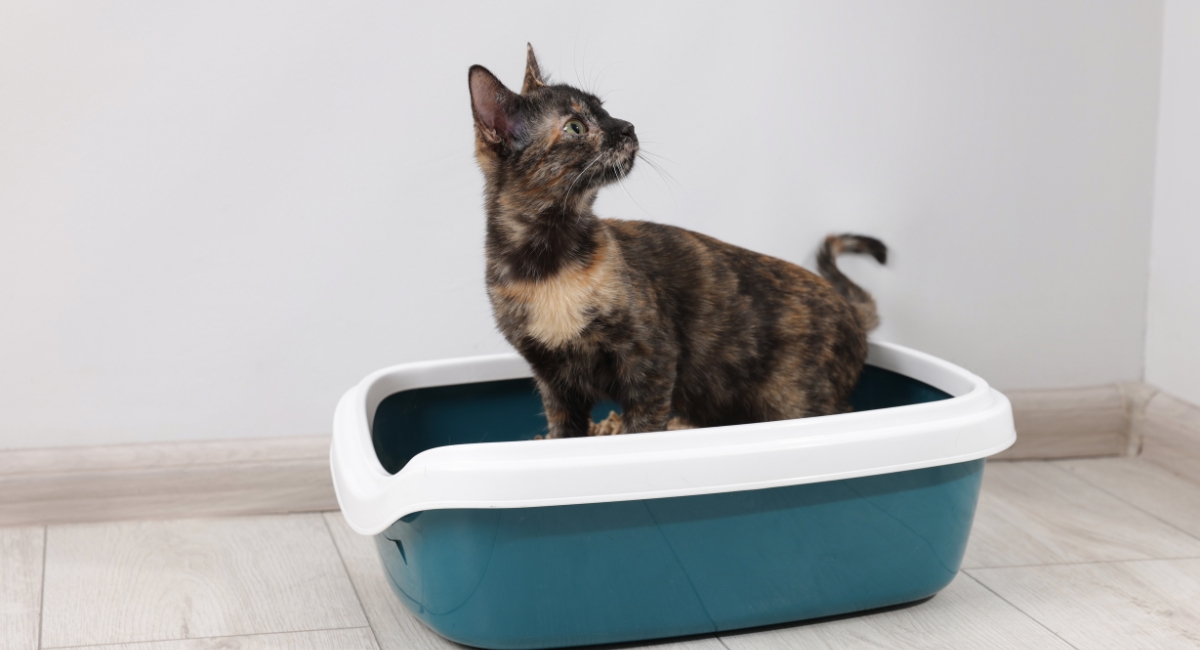
When Kittens Start Using The Litter Box (Age, Signs, And How To Help Them Learn)

Litter Box Training Usually Happens Naturally — But Timing Matters

Most kittens begin learning to use the litter box between 3 and 4 weeks old. This is when they become more mobile, aware of their surroundings, and start eliminating without stimulation.

Many kittens learn quickly with minimal training, especially if they are healthy and developmentally ready.

This guide explains when kittens typically start using the litter box, signs they are ready, and how to help them succeed safely.


Why Young Kittens Cannot Use The Litter Box Yet

Very young kittens cannot use a litter box because they:

• Cannot eliminate without stimulation
• Cannot walk or balance well
• Cannot recognize bathroom location
• Cannot dig or cover waste

This is normal. Early litter box use is not expected.


Typical Litter Box Milestones By Age

Newborn To 2 Weeks Old

• Cannot eliminate independently
• Require stimulation after feeding
• No litter box readiness


2 To 3 Weeks Old

• Beginning to stand and wobble walk
• Still usually need stimulation
• May show early bathroom awareness


3 To 4 Weeks Old

• Often begin eliminating on their own
• May start exploring litter box
• Can begin early litter training

This is when most kittens begin transitioning away from stimulation.


4 To 6 Weeks Old

• Usually using litter box consistently
• Learning digging and covering behaviors
• Still may have occasional accidents


6 To 8 Weeks Old

• Usually fully litter trained
• Bathroom habits similar to adult cats


Signs A Kitten Is Ready For Litter Box Training

Watch for:

• Walking steadily
• Eliminating without stimulation
• Sniffing corners or bedding before eliminating
• Scratching or digging behavior
• Moving away from sleeping area to eliminate

These are natural readiness signs.


How To Introduce The Litter Box

Start with:

• Shallow litter box (easy to climb into)
• Non-clumping litter (safer for young kittens)
• Quiet, easy-to-access location
• One litter box per kitten group (if possible)

Avoid deep or high-sided boxes early.


How To Encourage Litter Box Use

You can help by:

• Placing kittens in box after feeding
• Placing kittens in box after waking
• Gently guiding digging behavior
• Keeping box very clean

Most kittens learn quickly with routine.


What To Do If A Kitten Has Accidents

Accidents are normal early in training.

If accidents happen:

• Clean area thoroughly
• Avoid punishment
• Keep litter box easily accessible
• Continue routine placement after feeding


Common Litter Training Mistakes

• Using clumping litter too early
• Using scented litter
• Using deep or hard-to-enter boxes
• Moving litter box location too often
• Punishing accidents


When To Be Concerned

Seek guidance if kitten:

• Is over 5 weeks and not attempting litter use
• Cries during elimination
• Shows constipation or diarrhea
• Avoids litter box completely
• Shows signs of illness


The Most Important Litter Training Rule

Readiness matters more than training technique. Healthy kittens usually learn quickly when developmentally ready.


You Are Doing The Right Thing By Supporting Natural Development

Litter training is usually one of the easier milestones when kittens are healthy and supported with the right setup.


Need Help With Litter Training Or Bathroom Concerns?

Call or Text The Little Guest House 24/7 Support Line
Or visit the Learning Center for care guides.
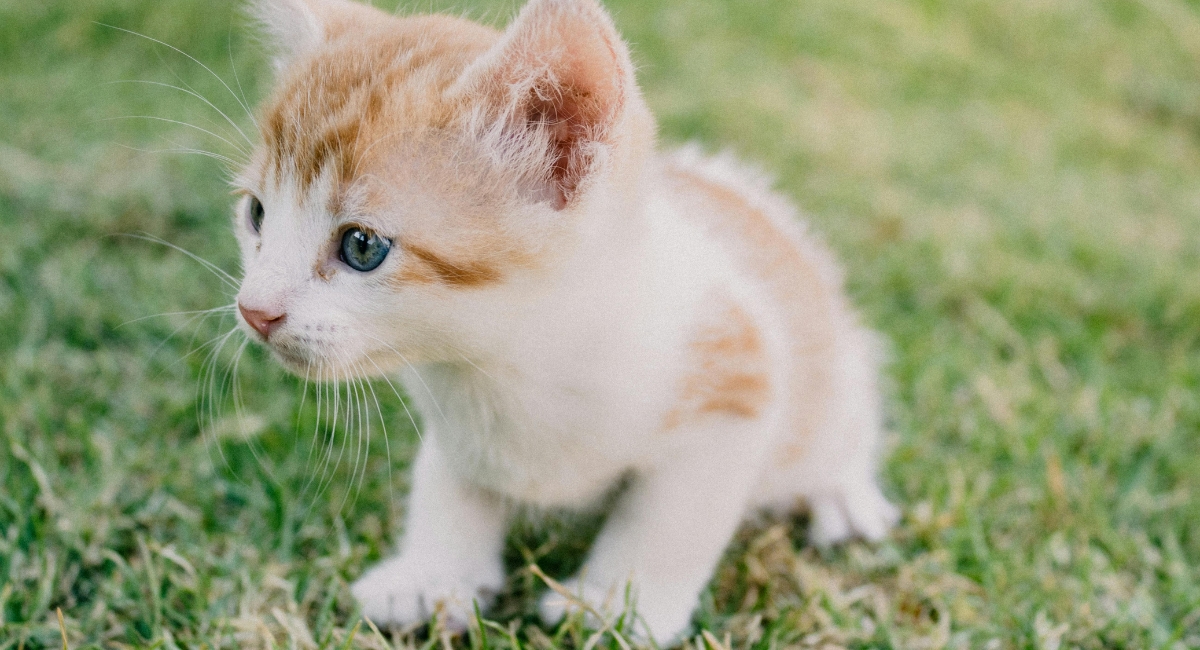
How To Clean A Kitten Safely

Cleaning Kittens Requires Extra Care

Young kittens get dirty easily, especially if they are orphaned, sick, or recently rescued. Cleaning is sometimes necessary, but doing it incorrectly can cause dangerous drops in body temperature.

Unlike adult cats, young kittens cannot regulate their body temperature well. Even a short bath can make them dangerously cold if not done carefully.

This guide explains when cleaning is needed, how to do it safely, and when to avoid full baths.


When Kittens Usually Need Cleaning

Kittens may need help cleaning if they have:

• Stool stuck to fur
• Urine buildup
• Dirt or debris from outdoors
• Formula spilled on fur
• Parasites or contamination

Many small messes can be cleaned without a full bath.


When NOT To Bathe A Kitten

Avoid full baths if kitten is:

• Cold
• Weak or lethargic
• Under about 2 weeks old (unless emergency contamination)
• Sick or dehydrated

If kitten is dirty but cold, warm first before cleaning.


Supplies For Safe Kitten Cleaning

• Soft washcloth or cotton pads
• Warm water (not hot)
• Soft towel
• Heating source nearby (low heating pad under towel or warm room)
• Mild kitten-safe soap (only if necessary)

Avoid human soaps and harsh cleaners.


Step 1: Make Sure The Kitten Is Warm

Check by touching:

• Ears
• Paw pads
• Inside of mouth

If kitten feels cool or cold:
Warm first before cleaning.


Step 2: Prepare A Warm, Draft-Free Area

Make sure:

• Room is warm
• Towels are ready
• Drying area is ready
• Heating support is available

Plan cleaning before getting kitten wet.


Step 3: Spot Clean First (Best Option When Possible)

Most messes can be cleaned with a warm damp cloth.

Gently wipe:

• Genital area
• Tail area
• Paws
• Face (avoid eyes and nose)

Spot cleaning is safer than full bathing.


Step 4: If A Full Bath Is Needed

Only bathe if necessary (for example: severe contamination or parasites).

Use:

• Shallow warm water
• Support kitten body fully
• Keep head dry
• Clean quickly and gently

Never submerge kitten fully.


Step 5: Dry Immediately And Completely

Dry using:

• Soft towel
• Gentle blotting (not rubbing harshly)

After towel drying:

• Place kitten on warm towel
• Use low heating support if needed
• Monitor closely until fully dry and warm


Step 6: Monitor After Cleaning

Watch for:

• Shivering
• Weakness
• Cold ears or paws
• Low activity

If kitten becomes cold, warm immediately.


Special Cleaning Situations

Cleaning Poop Stuck To Fur

Use warm damp cloth and gentle wiping. Avoid pulling dried stool from fur.


Cleaning Urine Soaked Fur

Spot clean and dry thoroughly to prevent urine scald.


Cleaning Formula From Fur

Use warm damp cloth and dry thoroughly.


Common Cleaning Mistakes

• Bathing cold kittens
• Using cold water
• Leaving kitten wet
• Using strong soaps
• Cleaning too frequently
• Not preparing warm drying area first


How Often Should You Clean Kittens?

Only when needed. Over-cleaning can:

• Remove natural oils
• Cause chilling
• Increase stress


The Most Important Cleaning Rule

Warmth comes before and after cleaning. Keeping kittens warm is more important than making them perfectly clean.


You Are Doing The Right Thing By Cleaning Carefully

Safe cleaning prevents infection, skin irritation, and urine scald while protecting kittens from dangerous temperature drops.


Need Help With Hygiene Or Care Questions?

Call or Text The Little Guest House 24/7 Support Line
Or visit the Learning Center for care guides.

What Normal Kitten Poop Looks Like

Kitten Poop Is One Of The Best Indicators Of Health

If you are caring for young or rescued kittens, checking their poop is one of the easiest ways to monitor health. Stool color, texture, and frequency can tell you a lot about digestion, hydration, and possible illness.

This guide explains what normal kitten poop looks like, what changes may mean, and when you should seek help.


Why Kitten Stool Changes As They Grow

Kitten poop changes depending on:

• Age
• Diet (formula vs solid food)
• Hydration level
• Digestive development
• Illness or stress

Young formula-fed kittens usually have lighter and softer stool than older kittens eating solid food.


🐾 Kitten Poop Color Guide (Normal vs Concerning)

Poop ColorUsually MeansNormal Or ConcerningWhat To Do
Yellow / MustardCommon in newborn or formula-fed kittensUsually NormalContinue monitoring feeding and hydration
Light BrownNormal digestion in formula-fed or transitioning kittensNormalNo action needed if kitten is active and feeding well
Medium BrownNormal digestion in growing kittensNormalContinue normal care
Dark BrownNormal in kittens eating solid foodNormalNo action needed
GreenFast digestion, diet change, or possible infectionMonitor CloselyWatch for diarrhea, behavior changes, or appetite loss
Gray / PalePossible fat digestion issue or bile problemConcerningSeek veterinary guidance
Black / TarryPossible internal bleedingEmergencySeek immediate veterinary care
Red Blood (Streaks or Mixed)Irritation, infection, or parasitesUrgentContact vet or support quickly

What Normal Kitten Poop Texture Looks Like

Healthy kitten stool is usually:

• Soft
• Formed or paste-like
• Easy to pass
• Not extremely foul smelling

Formula-fed kittens usually have softer stool than solid-food kittens.


Poop Textures That May Be Concerning

Watery Diarrhea

Possible causes:

• Infection
• Formula intolerance
• Parasites
• Stress

Young kittens can dehydrate very quickly from diarrhea.


Very Hard Or Dry Stool

Possible causes:

• Dehydration
• Feeding imbalance
• Constipation


Mucus In Stool

Possible causes:

• Intestinal irritation
• Infection
• Digestive upset


How Diet Affects Kitten Stool

Formula-fed kittens:
• Softer
• Lighter color

Transitioning kittens:
• Slightly darker
• More formed

Solid food kittens:
• Brown
• Formed stool

Temporary stool changes during food transitions are common.


When Stool Changes Are Likely Normal

• After switching formula
• During weaning
• After mild stress
• Slight color variation with new food

Monitor closely during these times.


When To Seek Help

Seek help if you see:

• Persistent diarrhea
• Blood in stool
• Black stool
• Gray or pale stool
• No poop for concerning time period
• Severe foul odor
• Kitten acting weak or dehydrated


The Most Important Stool Monitoring Rule

Sudden changes are often more important than exact color or texture.


You Are Doing The Right Thing By Checking Stool

Monitoring stool helps you catch dehydration, feeding problems, and illness early. Many serious kitten health problems show early signs through stool changes.


Need Help With Bathroom Or Health Concerns?

Call or Text The Little Guest House 24/7 Support Line
Or visit the Learning Center for care guides.

How Often Should Kittens Pee And Poop? (By Age Guide)

Bathroom Frequency Is An Important Health Indicator In Kittens

If you are caring for young or rescued kittens, monitoring how often they pee and poop can help you catch health problems early.

Young kittens cannot eliminate on their own and must be stimulated after feeding. As kittens grow, bathroom patterns become more regular and independent.

This guide explains what is normal by age and when you should be concerned.


Why Bathroom Frequency Matters In Young Kittens

Bathroom habits help you monitor:

• Hydration status
• Digestive health
• Feeding effectiveness
• Early illness signs

Changes in elimination patterns are often early warning signs something is wrong.


Newborn To 1 Week Old

Pee Frequency

• Usually after every feeding
• Very small amounts each time

Poop Frequency

• May poop once or multiple times per day
• Some variation is normal

At this age, kittens must be stimulated to eliminate.


1 To 2 Weeks Old

Pee Frequency

• Usually after each feeding
• May begin showing slightly stronger urine stream

Poop Frequency

• Often 1 to 3 times per day
• May not poop after every feeding

Still requires stimulation.


2 To 3 Weeks Old

Pee Frequency

• Multiple times per day
• Still often after feedings

Poop Frequency

• Usually 1 to 2 times daily
• Stool may become slightly more formed

Still often requires stimulation.


3 To 4 Weeks Old

Pee Frequency

• Several times daily
• May begin eliminating without stimulation

Poop Frequency

• Usually 1 to 2 times daily
• Stool becoming more formed

Some kittens begin litter training around this time.


4 To 6 Weeks Old

Pee Frequency

• Several times daily
• Usually independent elimination

Poop Frequency

• Usually 1 to 3 times daily
• Depends on diet transition


6 To 8 Weeks Old

Pee Frequency

• Similar to adult cats
• Several times per day

Poop Frequency

• Usually 1 to 2 times daily


What Normal Kitten Urine Looks Like

Healthy urine is usually:

• Pale yellow
• Light smell
• Consistent output


What Normal Kitten Stool Looks Like

Healthy stool is usually:

• Soft but formed
• Yellow to light brown in very young kittens
• Brown in older kittens


When Bathroom Frequency May Be A Concern

Watch for:

• No urine after multiple feedings
• No stool for more than 24–48 hours (age dependent)
• Straining to poop
• Very watery diarrhea
• Blood in stool
• Strong foul smell


Why Feeding And Hydration Affect Bathroom Frequency

Bathroom output depends on:

• Feeding amount
• Formula type
• Hydration level
• Digestive health
• Stress level

Changes in feeding often change stool frequency temporarily.


When To Contact Support Or A Vet

Seek help if:

• Kitten is not urinating regularly
• Kitten has not pooped in concerning time frame
• Kitten has severe diarrhea
• Kitten is weak or dehydrated
• Kitten cries during elimination


The Most Important Bathroom Rule

Consistency matters more than exact numbers. Sudden changes are often more important than small variations.


You Are Doing The Right Thing By Monitoring Bathroom Patterns

Watching elimination patterns helps you catch dehydration, feeding issues, and illness early.


Need Help With Bathroom Or Health Questions?

Call or Text The Little Guest House 24/7 Support Line
Or visit the Learning Center for care guides.

How To Stimulate A Kitten To Pee And Poop

Young Kittens Cannot Go To The Bathroom On Their Own

Newborn kittens cannot urinate or defecate without help. In nature, mother cats stimulate kittens to pee and poop by licking their belly and genital area.

If you are caring for orphaned or rescued kittens under about 3 to 4 weeks old, you must help them eliminate after feeding.

Without stimulation, kittens can become constipated, uncomfortable, or dangerously ill.


When Kittens Need Stimulation

Kittens usually need help eliminating if they are:

• Under 3 to 4 weeks old
• Not yet using a litter box
• Not being cared for by their mother

Once kittens are older and mobile, they begin eliminating on their own.


Supplies You Will Need

• Soft tissues or cotton pads
• Soft cloth or paper towel
• Warm water
• Towel or blanket to hold kitten

Make sure materials are soft and clean to prevent skin irritation.


Step 1: Feed The Kitten First

Most kittens eliminate naturally after feeding.

Feed kitten first, then begin stimulation within a few minutes.


Step 2: Position The Kitten Safely

Hold kitten:

• Belly down
• Supported in your hand or on a towel
• In a natural, comfortable position

Never hold kitten upside down during stimulation.


Step 3: Stimulate The Genital And Anal Area

Using a warm, damp cloth or tissue:

• Gently rub the genital area
• Gently rub the anal area
• Use small, soft circular or wiping motions

Be gentle. Do not press hard.


Step 4: Continue Until Kitten Eliminates

Stimulation may take:

• 10 seconds
• Up to 1 minute

Some kittens take longer. Stay calm and gentle.


Step 5: Clean The Area After Elimination

Gently wipe away urine or stool.

Dry the area to prevent skin irritation and chilling.


How Often To Stimulate Kittens

Stimulate kittens:

• After every feeding
• Until kittens eliminate on their own
• Usually until about 3 to 4 weeks old


What Normal Elimination Looks Like

Normal Urine

• Pale yellow
• Light smell

Normal Stool

• Soft but formed
• Yellow to light brown


Signs Something May Be Wrong

Watch for:

• No urine for multiple feedings
• No stool for more than 24–48 hours (age dependent)
• Very hard stool
• Watery diarrhea
• Blood in stool
• Strong foul odor

If these occur, seek guidance.


Common Stimulation Mistakes

• Rubbing too hard
• Using cold cloths
• Skipping stimulation after feeding
• Stopping stimulation too early
• Not cleaning kitten afterward


When Kittens Stop Needing Stimulation

Most kittens stop needing help around:

• 3 to 4 weeks old
• When they start walking steadily
• When they begin using litter box


The Most Important Stimulation Rule

Gentle and consistent stimulation is safer than fast or forceful stimulation.


You Are Doing Something Very Important

Helping kittens eliminate is essential for survival. Many first-time caregivers are not told this step is needed. Learning this skill helps prevent serious health problems.


Need Help With Bathroom Or Stimulation Questions?

Call or Text The Little Guest House 24/7 Support Line
Or visit the Learning Center for care guides.