Kitten Not Pooping — When To Worry
If A Kitten Has Not Pooped, Don’t Panic — But Do Pay Attention
It is common for new caregivers to worry if a kitten has not pooped. In many cases, short delays can be normal depending on age, feeding changes, or stress.
However, young kittens can become constipated or ill quickly, so it is important to know when to monitor and when to act.
This guide explains what is normal, what is not, and when to seek help.
Why Kittens May Not Poop
Kittens may temporarily stop pooping due to:
• Feeding schedule changes
• Formula or diet changes
• Mild dehydration
• Stress from new environment
• Digestive adjustment during growth
Some short variation can be normal.
How Often Kittens Normally Poop (Quick Reference)
Newborn to 2 weeks:
• May poop multiple times per day
• May not poop after every feeding
2 to 4 weeks:
• Usually 1 to 2 times per day
4+ weeks:
• Usually 1 to 3 times per day
Some variation is normal as long as kitten is otherwise healthy.
When It May Still Be Normal
It may be okay to monitor if kitten:
• Is eating normally
• Is active for age
• Has soft belly
• Is urinating normally
• Shows no signs of pain
Early Signs Of Constipation
Watch for:
• Straining during stimulation or litter box attempts
• Very small or dry stool
• Hard belly
• Fussing during elimination
• Reduced appetite
Signs You Should Seek Help Quickly
Seek help if kitten has:
• No poop for more than 24–48 hours (age dependent)
• Very hard, dry stool
• Bloated or firm abdomen
• Crying while trying to poop
• Vomiting
• Weakness or lethargy
• Dehydration signs
Step 1: Check Hydration First
Dehydration is a common cause of constipation.
Watch for:
• Sticky or dry gums
• Skin staying tented when pinched
• Low activity
• Weak suckle
Step 2: Check Feeding Amount And Formula
Constipation can happen if:
• Feeding amount is too low
• Feeding frequency is inconsistent
• Formula is not tolerated well
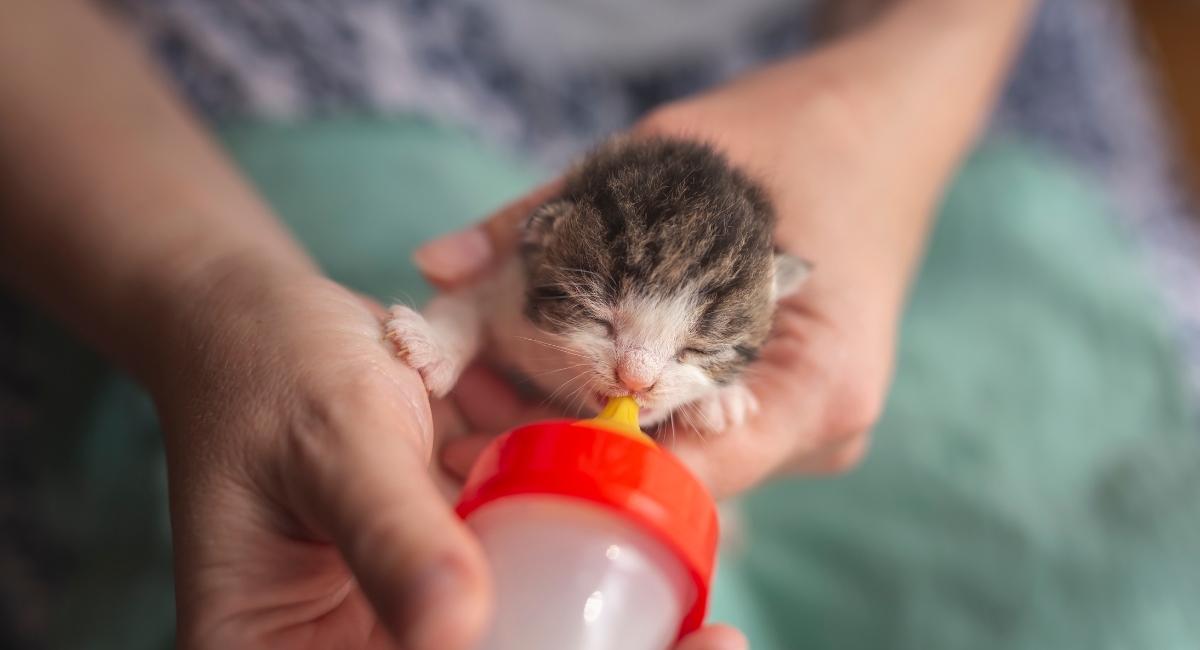
Step 3: Make Sure Stimulation Is Being Done Correctly (If Under 4 Weeks)
If kitten still needs stimulation:
• Stimulate after every feeding
• Use warm damp cloth
• Be gentle but consistent
Step 4: Monitor Belly And Comfort Level
Healthy kitten belly should feel soft and slightly round, not hard or tight.
What NOT To Do If Kitten Is Not Pooping
Do not:
• Force stool removal
• Give human laxatives
• Give oils or random home remedies
• Skip feedings
• Assume it will fix itself if other symptoms appear
Why Constipation Can Become Serious In Kittens
Constipation can lead to:
• Pain
• Reduced appetite
• Dehydration
• Intestinal blockage (rare but serious)
Early action helps prevent complications.
When This Becomes An Emergency
Seek urgent care if kitten has:
• Bloated, hard abdomen
• Vomiting
• Extreme weakness
• Crying constantly
• Refusing food
• No poop plus dehydration
The Most Important Rule
If you are unsure whether constipation is serious, it is safer to ask for help early.
You Are Doing The Right Thing By Paying Attention
Bathroom changes are often early warning signs of bigger health problems. Monitoring closely helps protect kittens.
Need Help If A Kitten Is Not Pooping?
Call or Text The Little Guest House 24/7 Support Line
Or visit the Learning Center for care guides.