
How Much Should A Kitten Eat Per Feeding?
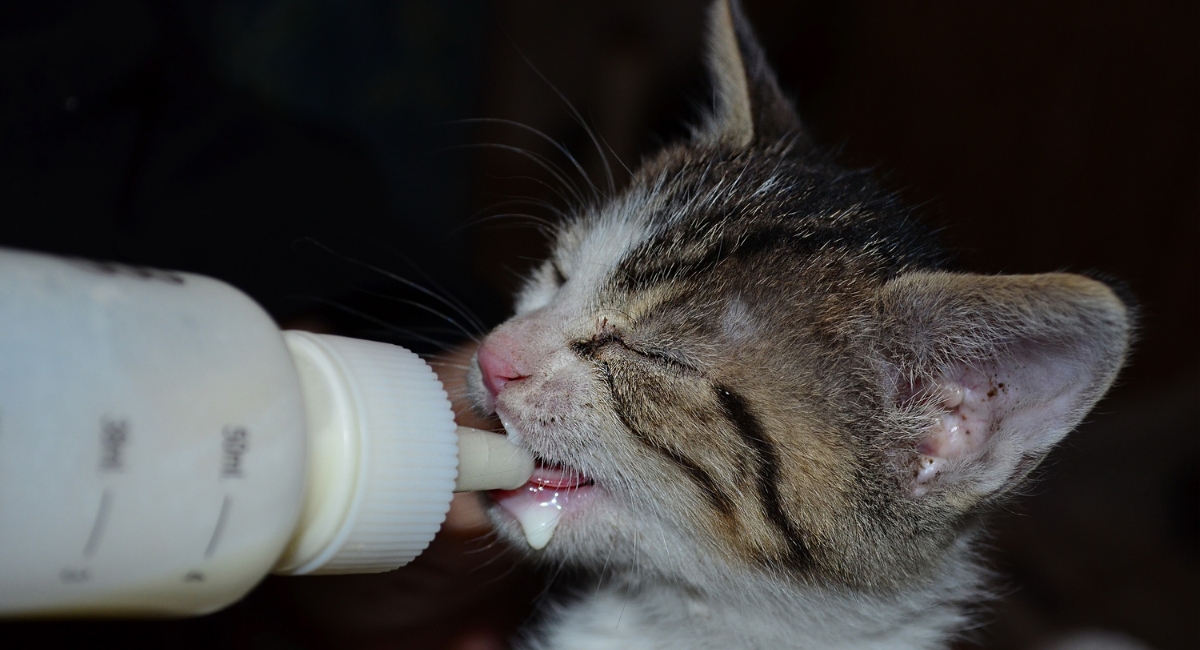
Feeding The Right Amount Helps Prevent Both Starvation And Overfeeding
If you are caring for orphaned or rescued kittens, knowing how much to feed per feeding is just as important as knowing how often to feed.
Feeding too little can lead to dehydration, weakness, and poor growth. Feeding too much can cause bloating, vomiting, and aspiration risk.
This guide explains how feeding amounts work and includes a simple feeding chart you can use in real time.
Why Feeding Amount Matters So Much In Young Kittens
Young kittens have:
• Very small stomach capacity
• Fast metabolism
• Limited energy reserves
• High fluid needs
Because of this, they need small, controlled feedings throughout the day.
The Most Important Feeding Formula To Remember
A common safe guideline is:
About 8 mL of formula per ounce of body weight per day
This total daily amount is divided across all feedings.
This is a guideline, not a strict rule. Always monitor kitten weight and behavior.
🍼 Kitten Formula Feeding Amount Chart (By Weight)
| Kitten Weight | Total Formula Per Day | Feeding Frequency | Amount Per Feeding |
|---|---|---|---|
| 2 oz (57 g) | ~16 mL per day | Every 2 hrs (12 feedings) | ~1–1.5 mL |
| 3 oz (85 g) | ~24 mL per day | Every 2–3 hrs | ~2–3 mL |
| 4 oz (113 g) | ~32 mL per day | Every 3 hrs | ~3–4 mL |
| 5 oz (142 g) | ~40 mL per day | Every 3–4 hrs | ~4–5 mL |
| 6 oz (170 g) | ~48 mL per day | Every 4 hrs | ~5–6 mL |
| 7 oz (198 g) | ~56 mL per day | Every 4–5 hrs | ~6–7 mL |
| 8 oz (227 g) | ~64 mL per day | Every 5 hrs | ~7–8 mL |
How To Use The Feeding Chart Safely
Follow these steps:
- Weigh the kitten daily (same time each day if possible)
- Find the closest weight range in the chart
- Divide total daily amount across feedings
- Adjust slightly based on kitten response and weight gain
Feeding Amounts Change As Kittens Grow
As kittens develop:
• Feeding frequency decreases
• Feeding volume per feeding increases
• Solid food gradually replaces formula
Growth is not perfectly linear, so monitor closely.
Signs You May Be Feeding The Right Amount
• Steady daily weight gain
• Calm behavior after feeding
• Strong suckle reflex
• Good muscle tone
• Normal sleep cycles
Signs You May Be Feeding Too Much
• Bloated stomach
• Milk coming from nose
• Vomiting
• Restlessness after feeding
If these occur, slightly reduce feeding amount and monitor closely.
Signs You May Be Feeding Too Little
• Constant crying
• Poor weight gain
• Weakness
• Low activity
• Dehydration signs
Why Weight Tracking Is So Important
Daily weight tracking helps you:
• Confirm feeding amounts are correct
• Catch health problems early
• Adjust feeding safely as kittens grow
Even small daily weight gain is a positive sign.
When Feeding Amounts May Need Adjustment
You may need to adjust feeding if kittens are:
• Premature
• Underweight
• Recovering from illness
• Not digesting formula well
Adjust gradually and monitor response.
Common Feeding Amount Mistakes
• Guessing feeding amounts
• Not weighing kittens regularly
• Increasing feeding volume too quickly
• Overfeeding to make up missed feedings
The Most Important Feeding Amount Rule
Small, consistent feedings are safer than large, infrequent feedings.
You Are Doing The Right Thing By Measuring Feeding Carefully
Careful feeding helps prevent both undernutrition and digestive complications. Precision feeding supports steady growth and development.
Need Help With Feeding Amounts?
Call or Text The Little Guest House 24/7 Support Line
Or visit the Learning Center for feeding guides.
https://shorturl.fm/wWl86
https://shorturl.fm/sUe9G
https://shorturl.fm/i7stP
https://shorturl.fm/XtwV9