
How To Choose The Right Kitten Milk Replacer
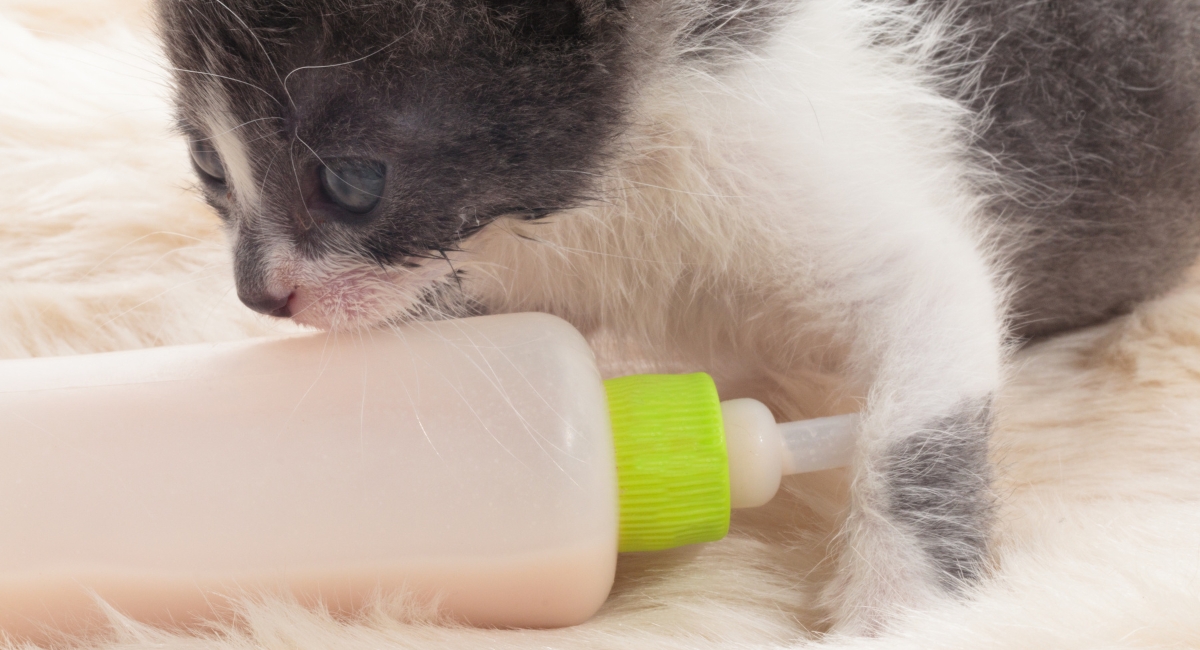
Choosing The Right Formula Can Make A Big Difference In Kitten Survival
If you are caring for orphaned or rescued kittens, choosing the right milk replacer is critical. Young kittens depend on proper nutrition for growth, hydration, and immune support.
Using the wrong type of milk or an unsafe substitute can cause serious digestive problems and dehydration.
This guide will help you understand what to look for in a kitten milk replacer and how to choose safely.
Why Kittens Cannot Drink Regular Milk
Many people assume milk is safe for kittens. Unfortunately, most types of milk are not suitable for young kittens.
Cow’s milk and many human milk substitutes can cause:
• Severe diarrhea
• Dehydration
• Poor nutrient absorption
• Digestive upset
• Weak growth
Kitten milk replacer is specially designed to match the protein, fat, and nutrient balance kittens need.
What A Good Kitten Milk Replacer Should Contain
A quality kitten formula should be designed specifically for kittens and include balanced nutrition.
Look for formulas that provide:
• High-quality animal protein
• Balanced fat levels for energy
• Essential vitamins and minerals
• Taurine (critical for kitten development)
• Easy digestibility
Kitten formulas are designed to mimic mother cat milk as closely as possible.
Types Of Kitten Milk Replacer
Powder Formula
Often preferred for long-term feeding.
Benefits:
• Longer shelf life
• More cost-effective
• Easy to store
• Fresh mixing per feeding
Liquid Ready-To-Feed Formula
Good for emergencies or travel.
Benefits:
• No mixing required
• Consistent concentration
• Convenient for quick feeding
Usually more expensive than powder.
When Powder Formula Is Usually Best
Powder formula is often ideal if you are:
• Feeding multiple kittens
• Feeding long term
• Mixing fresh batches regularly
• Monitoring feeding closely
When Liquid Formula May Be Helpful
Liquid formula may be useful if:
• You need emergency feeding immediately
• You cannot mix formula safely
• You are traveling
• You need quick convenience
Ingredients To Avoid In Kitten Feeding
Avoid feeding kittens:
• Cow’s milk
• Almond milk
• Oat milk
• Soy milk
• Goat milk (unless specifically directed by a professional)
• Human infant formula
These do not provide proper nutrition balance for kittens.
Signs A Formula May Not Be Working Well
Watch for:
• Diarrhea
• Vomiting
• Poor weight gain
• Refusal to feed
• Extreme gas or bloating
If you see these signs, seek feeding guidance.
How To Introduce A New Formula Safely
If switching formulas, transition slowly if possible.
Sudden formula changes can upset digestion.
How To Store Kitten Milk Replacer Safely
Powder formula:
• Store sealed
• Keep dry
• Follow expiration date
Mixed formula:
• Refrigerate immediately
• Discard after recommended time
When To Ask For Feeding Help
Seek help if:
• Kitten is not gaining weight
• Kitten refuses formula
• Digestive problems appear
• You are unsure which formula to use
• Kitten is very young or medically fragile
The Most Important Formula Rule
Use kitten-specific milk replacer whenever possible. Proper nutrition is critical for survival and development.
You Are Doing The Right Thing By Checking Nutrition First
Feeding decisions can feel overwhelming, especially when caring for rescued kittens. Taking time to choose the right formula helps support healthy growth and survival.
Need Help Choosing Formula Or Feeding?
Call or Text The Little Guest House 24/7 Support Line
Or visit the Learning Center for feeding guides.
https://shorturl.fm/JhwYm
https://shorturl.fm/UN5LD
https://shorturl.fm/BJ2go