
How To Bottle Feed A Kitten Safely
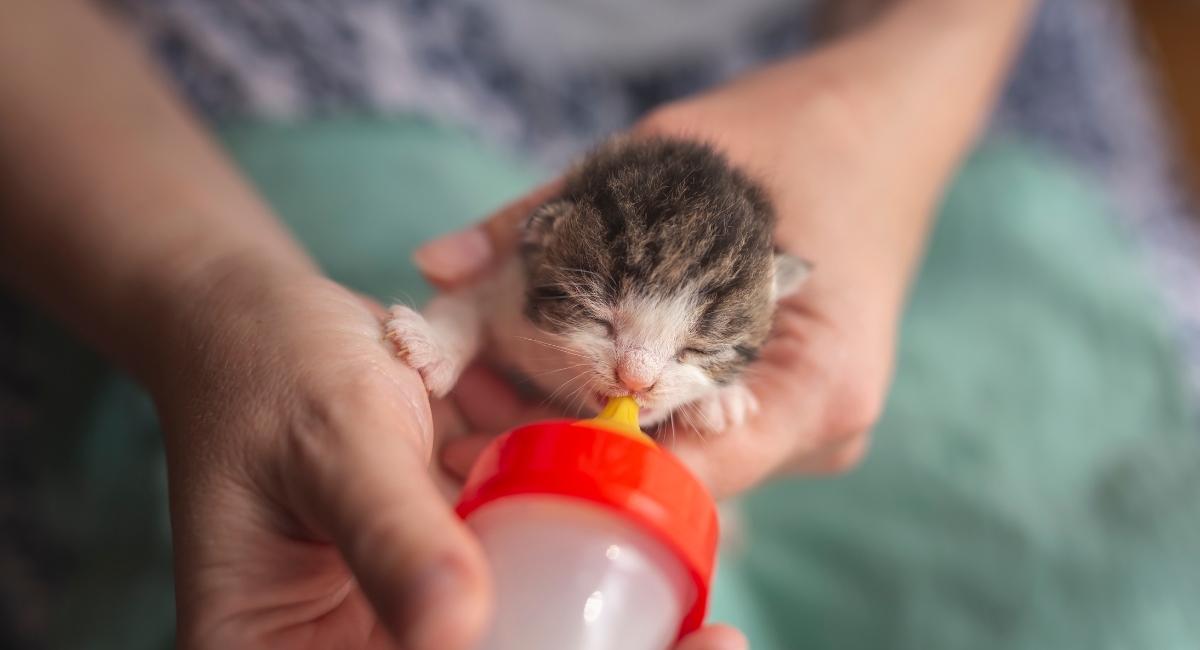
Bottle Feeding Can Save Lives — But Technique Matters
Bottle feeding is one of the most important skills when caring for orphaned or rescued kittens. When done correctly, it supports healthy growth and hydration. When done incorrectly, it can put kittens at risk for choking or aspiration pneumonia.
This step-by-step guide will walk you through how to bottle feed a kitten safely and confidently.
Before You Feed: The Two Safety Rules
Always follow these first.
Never feed a cold kitten
Cold kittens cannot digest formula safely.
Always feed kittens belly down
Never feed kittens on their back like a human baby.
Supplies You Will Need
• Kitten milk replacer (KMR or vet-approved formula)
• Kitten feeding bottle or feeding syringe
• Clean towel or blanket
• Warm water for mixing formula
• Scale for tracking weight (recommended)
Step 1: Make Sure The Kitten Is Warm
Check warmth by touching:
• Ears
• Paw pads
• Inside of mouth
If kitten feels cool or cold:
Warm first using towel wrap, body heat, or low heating pad with towel barrier.
Only feed once kitten feels warm and responsive.
Step 2: Prepare The Formula
Follow formula instructions carefully.
General tips:
• Mix fresh formula for each feeding when possible
• Warm formula to body temperature (slightly warm, not hot)
• Test temperature on inside of wrist
Formula should feel neutral to slightly warm, never hot.
Step 3: Position The Kitten Correctly
Correct feeding position is critical.
Always feed kitten:
• Belly down
• Head in natural position
• Slightly upright, not tilted backward
Never feed kitten on back. This can cause formula to enter lungs.
Step 4: Introduce The Bottle Gently
Allow kitten to latch naturally if possible.
Do not force bottle into mouth.
If kitten does not latch immediately:
• Gently touch bottle to lips
• Allow kitten to smell formula
• Be patient
Step 5: Feed Slowly And Watch For Warning Signs
Let kitten control feeding speed.
Watch for:
• Formula coming out of nose
• Coughing
• Gasping
• Struggling to swallow
If any of these happen, stop feeding immediately.
Step 6: Feed Appropriate Amount For Weight And Age
Follow feeding schedule and weight guidelines.
Overfeeding can cause digestive problems and aspiration risk.
Small, steady feeding is safest.
Step 7: Burp The Kitten After Feeding
Gently hold kitten upright and lightly rub back.
Not all kittens burp, but gentle burping can help reduce discomfort.
Step 8: Stimulate Elimination (If Under 3–4 Weeks Old)
Use warm damp cloth or tissue.
Gently stimulate:
• Genital area
• Anal area
Mother cats normally do this by grooming.
How Long Should Bottle Feeding Take
Typical feeding takes about 5 to 15 minutes depending on age and strength.
If feeding is extremely slow or kitten tires quickly, seek guidance.
Signs Bottle Feeding Is Going Well
• Strong suckle reflex
• Calm behavior after feeding
• Steady weight gain
• Good muscle tone
Signs Bottle Feeding May Not Be Safe Yet
• Weak suckle
• Formula leaking from nose
• Choking or coughing
• Extreme weakness
• Refusal to eat
Seek help if these occur.
Common Bottle Feeding Mistakes
• Feeding cold kittens
• Feeding kitten on back
• Squeezing bottle forcefully
• Overfeeding
• Feeding too fast
When To Contact Support Or A Vet
• Kitten cannot latch
• Kitten is very weak
• Kitten is losing weight
• Kitten cannot swallow properly
• Kitten shows breathing difficulty
The Most Important Bottle Feeding Rule
Let the kitten control the feeding pace. Slow and steady is safest.
You Are Doing Something Incredible By Helping
Bottle feeding takes patience and practice. Learning proper technique gives kittens the best chance at survival and healthy growth.
Need Help With Bottle Feeding?
Call or Text The Little Guest House 24/7 Support Line
Or visit the Learning Center for feeding guides.
https://shorturl.fm/D7zbw
https://shorturl.fm/QRlEP
https://shorturl.fm/eTtby