Kitten Won’t Eat — What To Do (And When To Get Help)

If A Kitten Won’t Eat, Act Early
If a kitten refuses food, it can become serious quickly, especially in very young kittens. Unlike adult cats, kittens cannot safely go long without nutrition or fluids.
If a kitten skips one feeding, monitor closely. If a kitten repeatedly refuses food or seems weak, you should act quickly.
This guide will help you identify possible causes and what steps to take safely.
Why Kittens Stop Eating
Kittens may stop eating for several reasons, including:
• Being too cold
• Dehydration
• Illness or infection
• Stress or environmental changes
• Incorrect feeding technique
• Digestive problems
• Weakness or low blood sugar
Finding the cause quickly helps prevent decline.
Step 1: Check If The Kitten Is Warm
Cold kittens often refuse food.
Check by touching:
• Ears
• Paw pads
• Inside of mouth
If kitten feels cool or cold:
Warm first before attempting feeding again.
Cold kittens cannot digest food safely.
Step 2: Check Hydration Status
Dehydrated kittens often lose appetite.
Watch for:
• Sticky or dry gums
• Skin staying tented when pinched
• Weakness
• Sunken eyes
If dehydration is suspected, seek help early.
Step 3: Check Feeding Technique
Sometimes kittens refuse food because feeding method is uncomfortable.
Check:
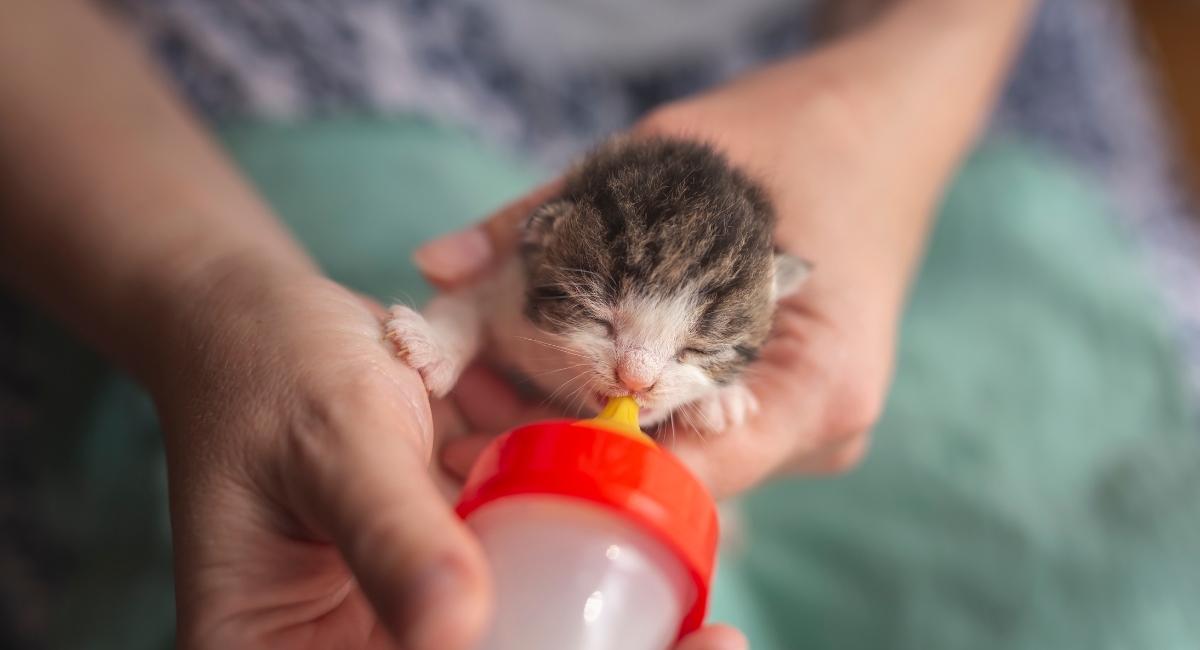
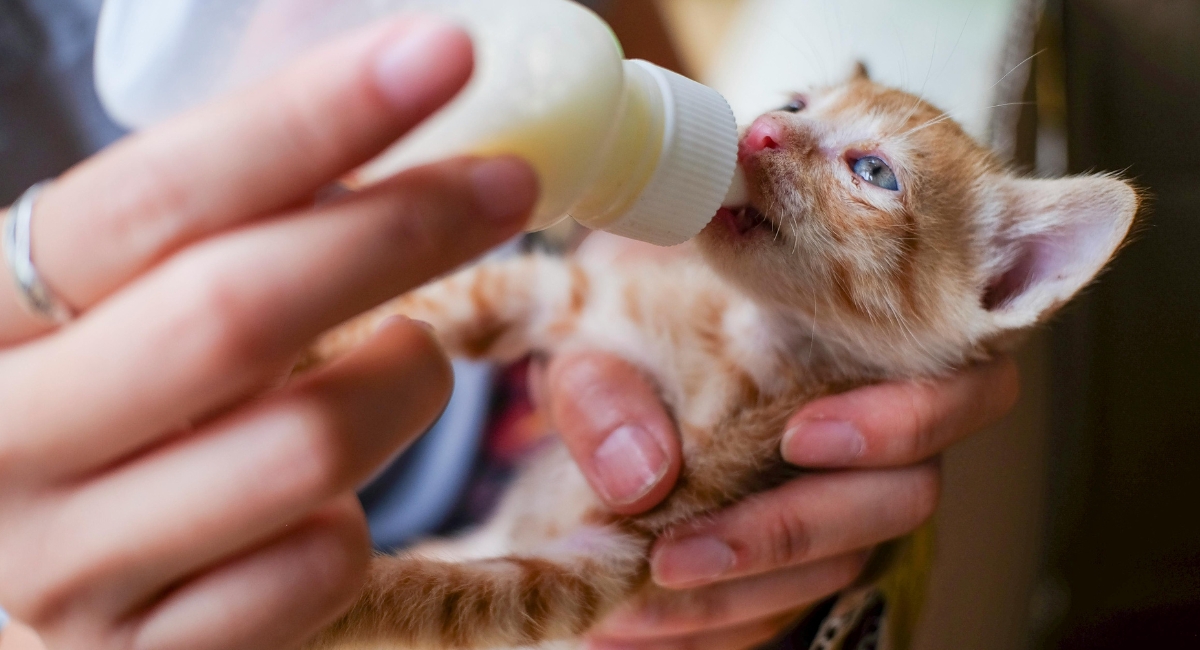
• Feeding position (always belly down)
• Bottle nipple flow (not too fast or slow)
• Formula temperature (should be slightly warm, not hot or cold)
Step 4: Check For Illness Or Emergency Signs
Watch for:
• Trouble breathing
• Severe weakness
• Vomiting
• Diarrhea
• Pale gums
• Seizures
• Constant distress crying
If these are present, seek help immediately.
Step 5: Try Gentle Feeding Support
If kitten is warm and stable but hesitant:
• Offer smaller amounts more frequently
• Try gently stimulating suckle reflex
• Keep environment warm and quiet
Do not force feed weak kittens.
Common Reasons Very Young Kittens Refuse Feeding
• Formula temperature incorrect
• Feeding too quickly
• Bottle nipple size incorrect
• Kitten too tired or weak
• Feeding schedule too spread out
When A Kitten Missing A Feeding Is An Emergency
Seek help if:
• Newborn kitten misses more than one feeding
• Kitten is weak or lethargic
• Kitten is cold and not improving
• Kitten cannot swallow
• Kitten refuses food repeatedly
Young kittens can decline quickly.
What NOT To Do If A Kitten Won’t Eat
Do not:
• Force large amounts of formula
• Feed cold kittens
• Wait too long hoping appetite returns
• Switch formulas repeatedly without guidance
The Most Important Rule
If a kitten is not eating and you are unsure why, it is safer to seek help early than to wait.
You Are Doing The Right Thing By Paying Attention Early
Loss of appetite is often one of the earliest signs something is wrong. Acting early can prevent emergencies.
Need Help If A Kitten Won’t Eat?
Call or Text The Little Guest House 24/7 Support Line
Or visit the Learning Center for feeding guides.