
When Kittens Start Using The Litter Box (Age, Signs, And How To Help Them Learn)
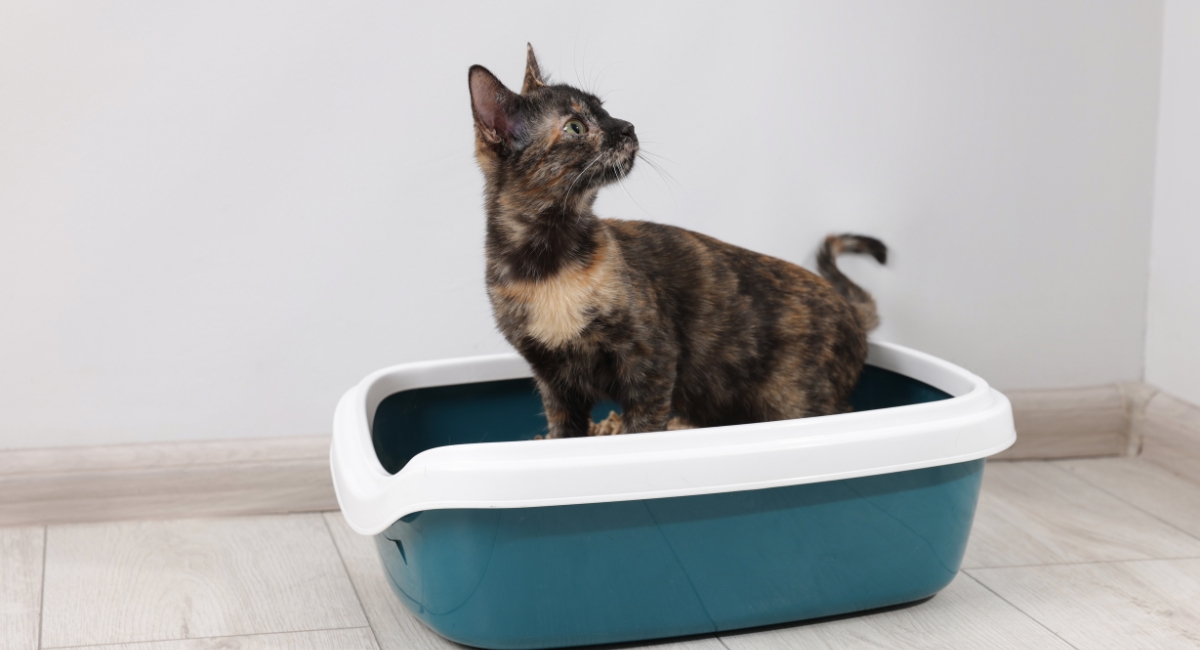
Litter Box Training Usually Happens Naturally — But Timing Matters
Most kittens begin learning to use the litter box between 3 and 4 weeks old. This is when they become more mobile, aware of their surroundings, and start eliminating without stimulation.
Many kittens learn quickly with minimal training, especially if they are healthy and developmentally ready.
This guide explains when kittens typically start using the litter box, signs they are ready, and how to help them succeed safely.
Why Young Kittens Cannot Use The Litter Box Yet
Very young kittens cannot use a litter box because they:
• Cannot eliminate without stimulation
• Cannot walk or balance well
• Cannot recognize bathroom location
• Cannot dig or cover waste
This is normal. Early litter box use is not expected.
Typical Litter Box Milestones By Age
Newborn To 2 Weeks Old
• Cannot eliminate independently
• Require stimulation after feeding
• No litter box readiness
2 To 3 Weeks Old
• Beginning to stand and wobble walk
• Still usually need stimulation
• May show early bathroom awareness
3 To 4 Weeks Old
• Often begin eliminating on their own
• May start exploring litter box
• Can begin early litter training
This is when most kittens begin transitioning away from stimulation.
4 To 6 Weeks Old
• Usually using litter box consistently
• Learning digging and covering behaviors
• Still may have occasional accidents
6 To 8 Weeks Old
• Usually fully litter trained
• Bathroom habits similar to adult cats
Signs A Kitten Is Ready For Litter Box Training
Watch for:
• Walking steadily
• Eliminating without stimulation
• Sniffing corners or bedding before eliminating
• Scratching or digging behavior
• Moving away from sleeping area to eliminate
These are natural readiness signs.
How To Introduce The Litter Box
Start with:
• Shallow litter box (easy to climb into)
• Non-clumping litter (safer for young kittens)
• Quiet, easy-to-access location
• One litter box per kitten group (if possible)
Avoid deep or high-sided boxes early.
How To Encourage Litter Box Use
You can help by:
• Placing kittens in box after feeding
• Placing kittens in box after waking
• Gently guiding digging behavior
• Keeping box very clean
Most kittens learn quickly with routine.
What To Do If A Kitten Has Accidents
Accidents are normal early in training.
If accidents happen:
• Clean area thoroughly
• Avoid punishment
• Keep litter box easily accessible
• Continue routine placement after feeding
Common Litter Training Mistakes
• Using clumping litter too early
• Using scented litter
• Using deep or hard-to-enter boxes
• Moving litter box location too often
• Punishing accidents
When To Be Concerned
Seek guidance if kitten:
• Is over 5 weeks and not attempting litter use
• Cries during elimination
• Shows constipation or diarrhea
• Avoids litter box completely
• Shows signs of illness
The Most Important Litter Training Rule
Readiness matters more than training technique. Healthy kittens usually learn quickly when developmentally ready.
You Are Doing The Right Thing By Supporting Natural Development
Litter training is usually one of the easier milestones when kittens are healthy and supported with the right setup.
Need Help With Litter Training Or Bathroom Concerns?
Call or Text The Little Guest House 24/7 Support Line
Or visit the Learning Center for care guides.