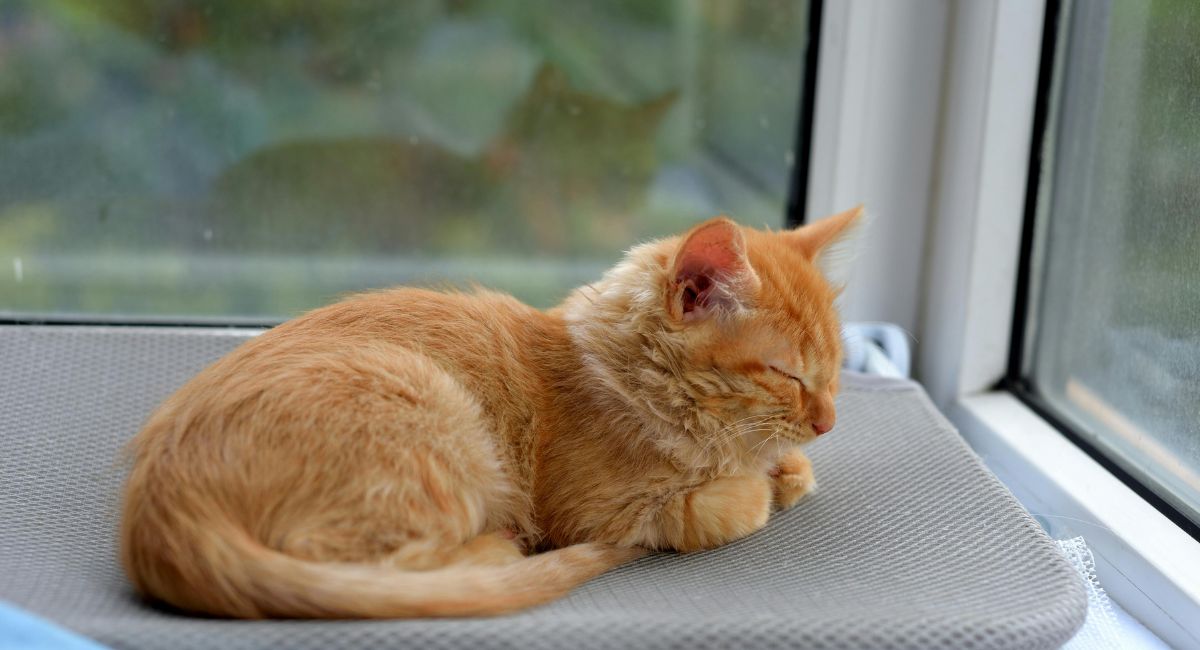
Why Warming Comes Before Feeding: The Most Important Rule In Kitten Rescue
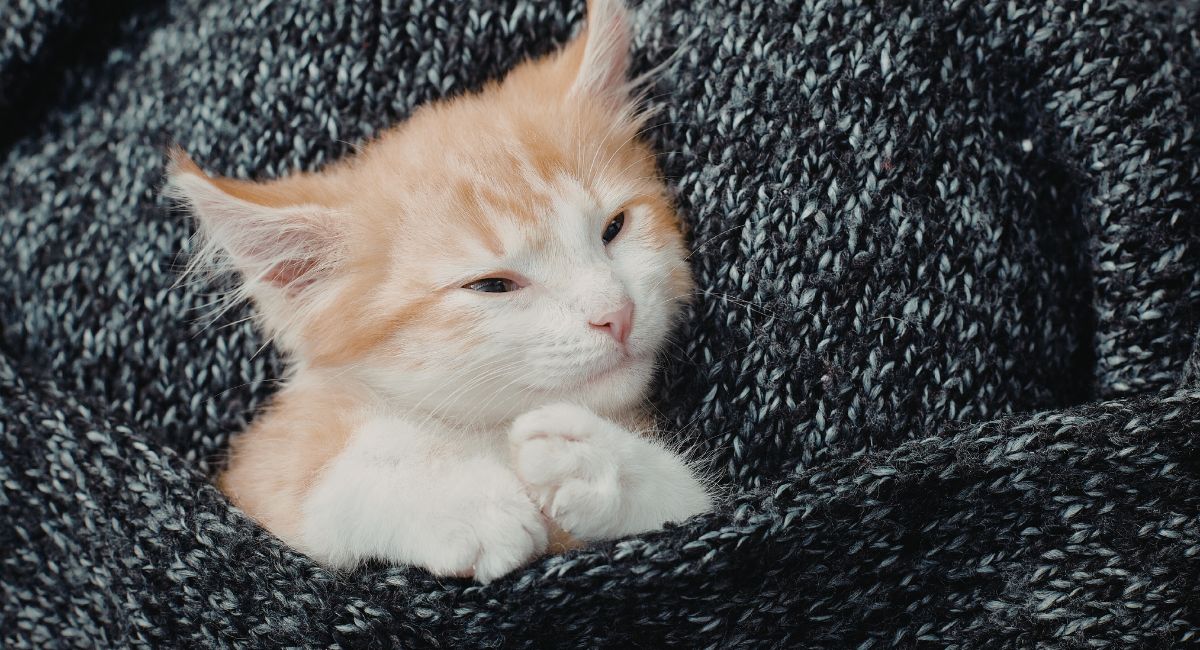
If You Found Cold Kittens, Do NOT Feed Them Yet
If you find cold kittens, your instinct may be to feed them immediately. Feeding feels like the fastest way to help. However, feeding a cold kitten can be extremely dangerous and, in some cases, fatal.
Before feeding any kitten, you must first make sure the kitten is warm and stable.
Understanding why warming comes before feeding can help you avoid one of the most common life-threatening rescue mistakes.
Why Body Temperature Matters So Much In Young Kittens
Newborn and young kittens cannot regulate their body temperature. Unlike adult cats, kittens rely on their mother, littermates, or environment to stay warm.
When a kitten becomes cold, several body systems slow down, including digestion, circulation, and immune function.
If a kitten’s body temperature drops too low, their body will prioritize survival functions like breathing and circulation, not digestion.
What Happens If You Feed A Cold Kitten
When a kitten is cold, the digestive system slows dramatically.
If food or formula is given when a kitten is too cold, the kitten may not be able to digest it properly. Instead of being processed normally, milk can sit in the stomach and begin to grow bacteria.
This can lead to:
• Aspiration risk if the kitten cannot swallow properly
• Bacterial growth in the digestive system
• Severe digestive upset
• Increased risk of infection
• Rapid decline in already fragile kittens
This is why rescue professionals follow the rule: warm first, feed second.
How Cold Is Too Cold For A Kitten
You do not need a thermometer to recognize a cold kitten.
Check by touching:
- Ears
- Paw pads
- Inside the mouth
If these areas feel cool or cold instead of slightly warm, the kitten likely needs warming before feeding.
Very cold kittens may feel limp, weak, or unresponsive.
Why Cold Kittens Also Struggle To Swallow Safely
Cold kittens often have reduced muscle strength and slower reflexes.
This means they may not swallow properly during feeding. When kittens cannot swallow correctly, milk can enter the lungs instead of the stomach, causing aspiration pneumonia.
Aspiration pneumonia is a serious and often fatal condition in neonatal kittens.
How To Warm A Cold Kitten Safely
Always warm slowly and gently.
Safe warming methods include:
- Wrapping kitten in a dry towel
- Holding kitten against your body
- Using a heating pad on LOW with a towel barrier
- Using a warm water bottle wrapped in cloth
Never place a kitten directly on a heating pad or heat source.
Rapid overheating can be just as dangerous as being too cold.
How Long Should You Warm A Kitten Before Feeding
In many cases, kittens should be warmed for at least 20 to 60 minutes before attempting feeding.
If the kitten was severely cold, warming may take longer. The kitten should feel warm to the touch and show improved alertness before feeding.
Signs A Kitten May Be Warm Enough To Feed
- Kitten feels warm, not cool
- Kitten is more alert
- Kitten has stronger movement
- Kitten is responsive when handled
If unsure, warming a little longer is safer than feeding too soon.
The Biological Survival Priority Order In Kittens
The kitten body prioritizes survival in this order:
- Breathing
- Circulation
- Temperature regulation
- Digestion
Digestion is not a priority when body temperature is low. This is why feeding too early can cause serious complications.
Common Mistakes People Make When They Find Cold Kittens
- Feeding immediately because kittens look hungry
- Using cow’s milk or unsafe milk alternatives
- Trying to warm kittens too quickly using direct heat
- Assuming movement means kittens are warm enough
These mistakes are usually made with good intentions but can create serious risks.
When To Contact Support Or A Vet
You should seek help if:
- Kitten remains cold despite warming attempts
- Kitten is limp or unresponsive
- Kitten has trouble breathing
- Kitten cannot swallow
- Kitten does not improve after warming
The Most Important Thing To Remember
If you are unsure whether a kitten is warm enough, warm first. Feeding can wait. Stabilizing temperature gives kittens the best chance of survival.
You Are Doing The Right Thing By Learning This
Many people are never told that warming must come before feeding. Learning this single rule can save lives and prevent accidental harm during rescue.
Need Help Right Now?
Call or Text The Little Guest House 24/7 Support Line
Or visit the Emergency Help page.