
Kitten Feeding Schedule By Age: How Often And How Much To Feed Kittens
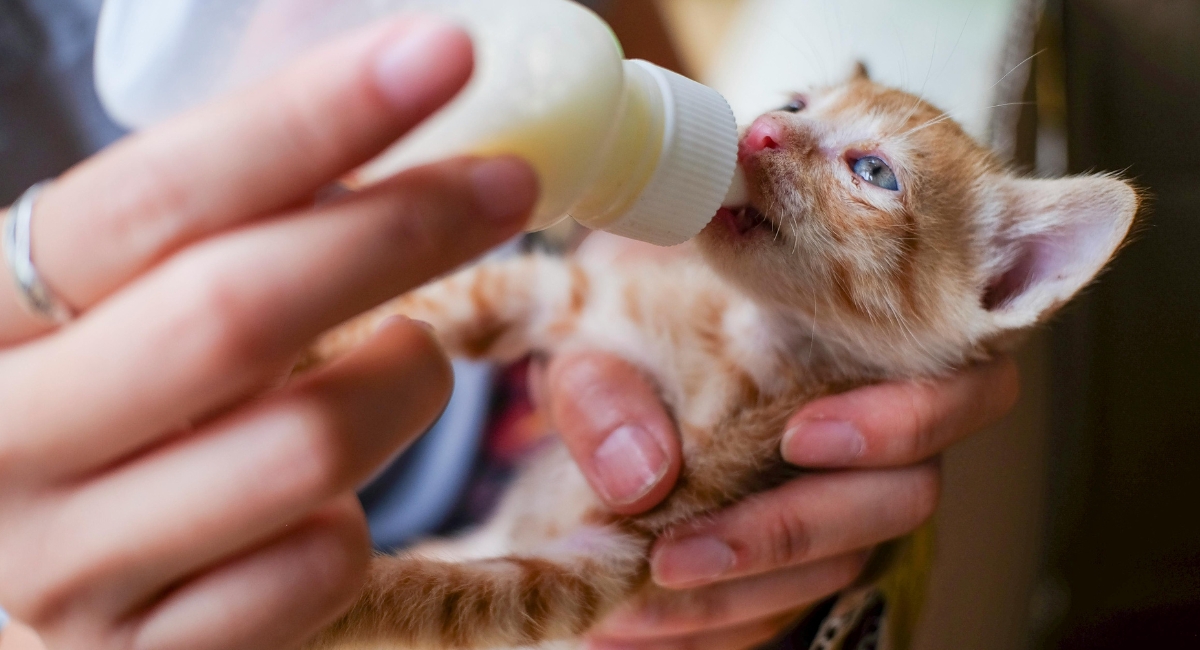
Feeding Frequency Is One Of The Most Important Survival Factors For Kittens
If you are caring for kittens without their mother, feeding schedule is critical. Feeding too little, too much, or too infrequently can quickly lead to dehydration, low blood sugar, or poor growth.
This guide explains how often kittens need to eat at each age and why feeding schedules change as kittens grow.
If you are ever unsure, it is safer to feed small, frequent meals than large, infrequent ones.
Why Feeding Frequency Changes As Kittens Grow
Young kittens need frequent feeding because they:
• Have very small stomach capacity
• Burn energy quickly
• Cannot store nutrients well
• Depend on constant nutrition for growth
As kittens grow, their stomach capacity increases and they can go longer between feedings.
Newborn To 1 Week Old Feeding Schedule
Feed every 2 to 3 hours, including overnight.
Typical signs kittens need frequent feeding at this age:
• Cannot regulate body temperature
• Cannot eliminate without stimulation
• Sleep most of the time
• Very small stomach capacity
Missing feedings at this age can quickly lead to weakness and dehydration.
1 To 2 Weeks Old Feeding Schedule
Feed every 2 to 3 hours, including overnight.
Kittens may begin showing slightly stronger feeding reflexes but still need frequent nutrition support.
Watch for:
• Strong suckle reflex
• Slight increase in activity
• Gradual weight gain
2 To 3 Weeks Old Feeding Schedule
Feed every 3 to 4 hours.
At this stage:
• Eyes are open
• Movement increases
• Feeding strength improves
Night feedings are still required.
3 To 4 Weeks Old Feeding Schedule
Feed every 4 to 5 hours.
Kittens begin transitioning toward early weaning behaviors but still rely on formula for most nutrition.
You may begin introducing very small amounts of gruel if developmentally ready.
4 To 5 Weeks Old Feeding Schedule
Feed every 5 to 6 hours.
Kittens may begin:
• Lapping formula
• Exploring soft food
• Showing interest in solid food
Bottle feeding may still be needed.
5 To 6 Weeks Old Feeding Schedule
Feed about every 6 hours.
At this stage kittens usually transition more strongly toward solid food while still receiving formula support.
6 To 8 Weeks Old Feeding Schedule
Feed 3 to 4 times daily.
Most kittens are eating primarily solid food but may still benefit from supplemental formula if underweight or slow to transition.
How Much Should Kittens Eat Per Feeding
Amount depends on weight, health, and formula type.
General guideline:
About 8 mL of formula per ounce of body weight per day, divided across feedings.
Example:
If kitten weighs 4 ounces, daily intake may be about 32 mL divided across feedings.
Always monitor weight gain and feeding response.
Signs Kittens Are Getting Enough Food
• Steady daily weight gain
• Calm after feeding
• Good muscle tone
• Normal activity for age
Signs Kittens May Need More Feeding Support
• Constant crying
• Poor weight gain
• Weak suckle
• Low activity
• Dehydration signs
When Feeding Schedules Need Adjustment
You may need to adjust feeding frequency if kittens are:
• Underweight
• Recovering from illness
• Dehydrated
• Premature
• Weak or slow feeders
Common Feeding Schedule Mistakes
• Skipping overnight feedings too early
• Feeding large amounts less often
• Ignoring weight tracking
• Not adjusting schedule as kittens grow
The Most Important Feeding Schedule Rule
Consistency is more important than perfection. Small, regular feedings are safer than large, irregular ones.
Need Help With Feeding Or Schedule Questions?
Call or Text The Little Guest House 24/7 Support Line
Or visit the Learning Center for feeding guides.