
What NOT To Do When You Find Kittens
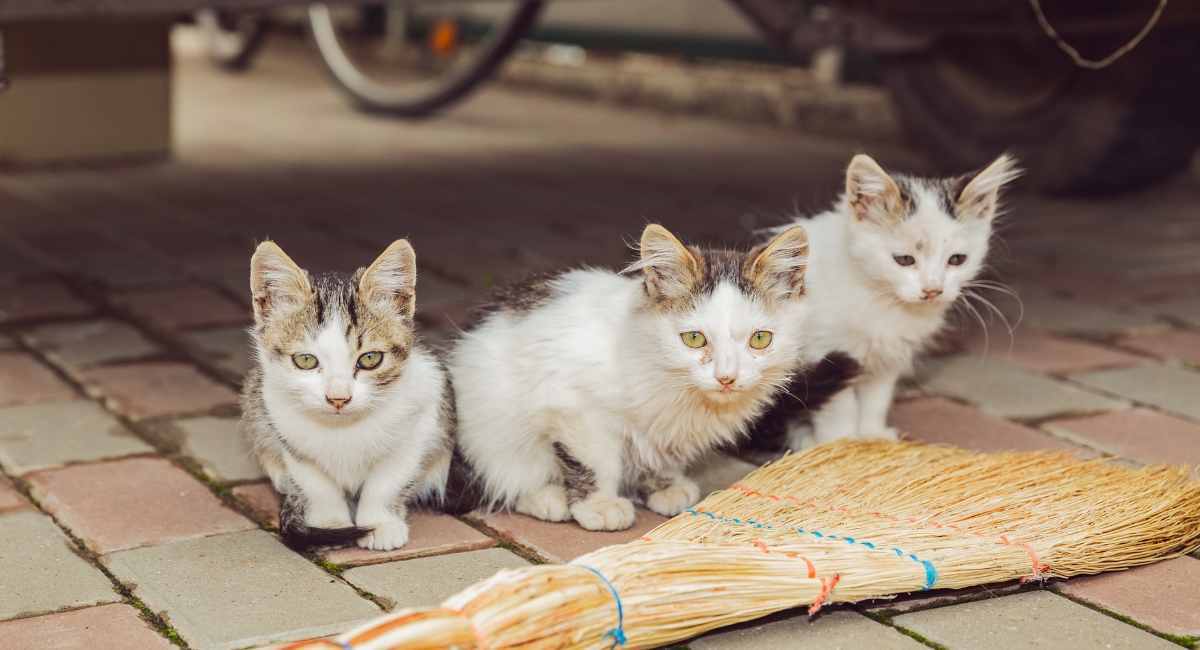
Wanting To Help Fast Is Normal — But Some Actions Can Be Dangerous
If you find kittens, your first instinct is usually to help immediately. That instinct comes from compassion, and it matters. But some common actions that feel helpful can actually put kittens at risk.
Knowing what NOT to do can be just as important as knowing what to do.
This guide explains the most common mistakes people make when they find kittens and why avoiding these mistakes can save lives.
Do NOT Feed Kittens If They Are Cold
This is one of the most important rescue rules.
Cold kittens cannot digest food safely. Feeding a cold kitten can cause milk to sit in the stomach and grow bacteria or lead to aspiration if the kitten cannot swallow properly.
If kittens feel cold, always warm them first before feeding.
Check warmth by touching:
• Ears
• Paw pads
• Inside of mouth
If these feel cool, warm first.
Do NOT Give Cow’s Milk Or Human Milk Alternatives
Many people believe milk helps kittens. Unfortunately, cow’s milk and most human milk alternatives can cause severe digestive problems.
These can lead to:
• Severe diarrhea
• Dehydration
• Electrolyte imbalance
• Rapid decline in young kittens
Always use kitten-specific milk replacer if feeding is needed.
Do NOT Assume Kittens Are Abandoned Immediately
Mother cats often leave kittens temporarily to hunt or search for food.
Removing kittens too quickly can:
• Separate kittens from their best survival source
• Cause unnecessary orphan care
• Increase risk of dehydration and stress
If kittens are warm, quiet, and safe, observe from a distance if possible.
Do NOT Stay Too Close While Waiting For Mom
Mother cats may avoid returning if they feel watched or threatened.
If you are observing for mom, stay far enough away that she feels safe returning.
Do NOT Move Kittens Unless Necessary
If kittens are safe, dry, and warm, leaving them in place may be best.
Move kittens immediately only if:
• They are in direct danger
• They are soaked or freezing
• They are injured
• Predators are present
Do NOT Separate Kittens From Each Other
Littermates help keep each other warm and reduce stress.
Separating kittens can:
• Increase risk of hypothermia
• Increase stress
• Reduce survival chances
Always keep found kittens together if possible.
Do NOT Use Direct Heat Sources
Avoid placing kittens directly on:
• Heating pads
• Space heaters
• Hot water bottles without wrapping
Direct heat can cause burns or overheating.
Always use a towel or cloth barrier.
Do NOT Bathe Cold Or Weak Kittens
Bathing removes body heat and can cause dangerous temperature drops.
If kittens are dirty but stable, clean gently with a warm damp cloth instead of bathing.
Do NOT Force Feed Weak Kittens
If kittens cannot swallow or are very weak, feeding can cause milk to enter the lungs.
Signs you should NOT feed yet:
• Milk coming from nose
• Weak suckle
• Gasping
• Extreme weakness
Seek help instead.
Do NOT Wait If You See Emergency Warning Signs
Seek help immediately if you see:
• Trouble breathing
• Pale or white gums
• Severe weakness
• Seizures
• Bleeding
• Maggots or infection
Waiting can reduce survival chances.
Do NOT Blame Yourself If You Are Unsure
Most people are never taught how to help neonatal kittens safely. Learning and asking for help is the responsible thing to do.
The Safest Mindset When You Find Kittens
Think in this order:
Safety
Warmth
Mom check
Hydration
Emergency signs
Feeding comes after stabilization.
You Are Doing The Right Thing By Learning First
Careful decisions in the first hour can make the biggest difference in survival. Taking time to assess and avoid common mistakes helps protect vulnerable kittens.
Need Help Right Now?
Call or Text The Little Guest House 24/7 Support Line
Or visit the Emergency Help page.